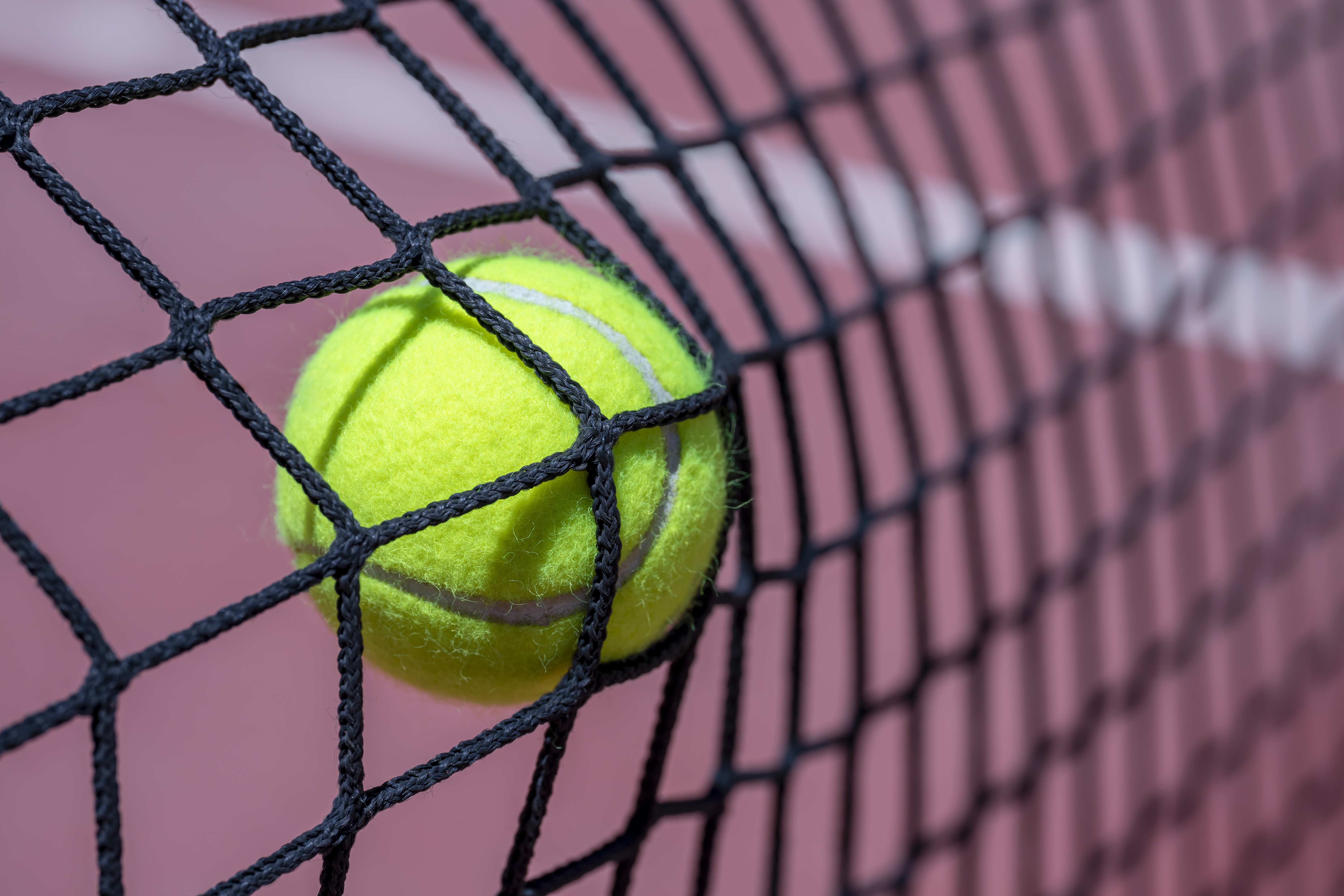
While Padel balls and Tennis balls may look similar at first glance, variations in size, pressure, and bounce significantly impact gameplay. Learn how Padel balls differ from Tennis balls and why using the right one is essential for performance.
Padel Balls vs. Tennis Balls – What Sets Them Apart?
If you've ever picked up a Padel ball and compared it to a Tennis ball, you might struggle to notice a difference at first. However, subtle but crucial variations impact how they perform on the court. Understanding these differences is essential for any player looking to optimize their game. Let’s break down the key distinctions.
1. Size & Weight – Almost Identical, But Not Quite
At first glance, padel balls and tennis balls seem nearly identical in size. According to official regulations:
Tennis balls typically have a diameter between 6.54 cm and 6.86 cm. Padel balls fall within a slightly smaller range of 6.35 cm to 6.77 cm. While the difference is minimal, padel balls can be marginally smaller. However, both balls usually weigh between 56 to 59.4 grams, meaning there is little to no variation in weight.
2. Internal Pressure – The Key to Bounce and Speed
The biggest difference between padel and tennis balls lies in their internal pressure.
- Tennis balls are highly pressurized, typically at 14 psi (pounds per square inch).
- Padel balls have a slightly lower pressure, around 11 psi, resulting in a softer feel and a lower bounce.
This reduced pressure makes Padel balls bounce less aggressively, which suits the enclosed court environment and the glass walls used in the sport. A Tennis ball on a Padel court would feel too lively, making rallies harder to control.
3. Bounce & Playing Characteristics
Due to differences in internal pressure, bounce height varies:
- A Tennis ball dropped from 2.54 meters should bounce between 135-147 cm.
- A Padel ball under the same conditions will bounce between 105-135 cm.
This lower bounce is crucial for Padel’s unique gameplay, which involves more volleys and wall rebounds compared to tennis.
4. Felt & Durability
Both balls use a similar felt covering, but Padel balls may have a slightly thinner outer layer. Since Padel is played in a confined space with constant ball contact against glass and metal mesh, padel balls tend to wear out faster than tennis balls. Some manufacturers produce specific padel balls for high-altitude locations, which have extra pressure to compensate for reduced bounce in thinner air.
5. Can You Use Tennis Balls for Padel?
While technically possible, using Tennis balls on a Padel court is not ideal. Their higher pressure results in a higher bounce, making it harder to control shots and reducing the effectiveness of padel's wall play. Likewise, using padel balls for tennis would make the game feel slow and unresponsive due to the lower bounce.
Why the Right Ball Matters
While they might look alike, padel balls and tennis balls are designed for their respective sports. Their differences in pressure, bounce, and durability impact gameplay significantly. Choosing the correct ball ensures a better playing experience and prevents unnecessary wear on rackets and courts. So next time you step onto a Padel court, or a Tennis court, make sure you're using the right ball for the job!