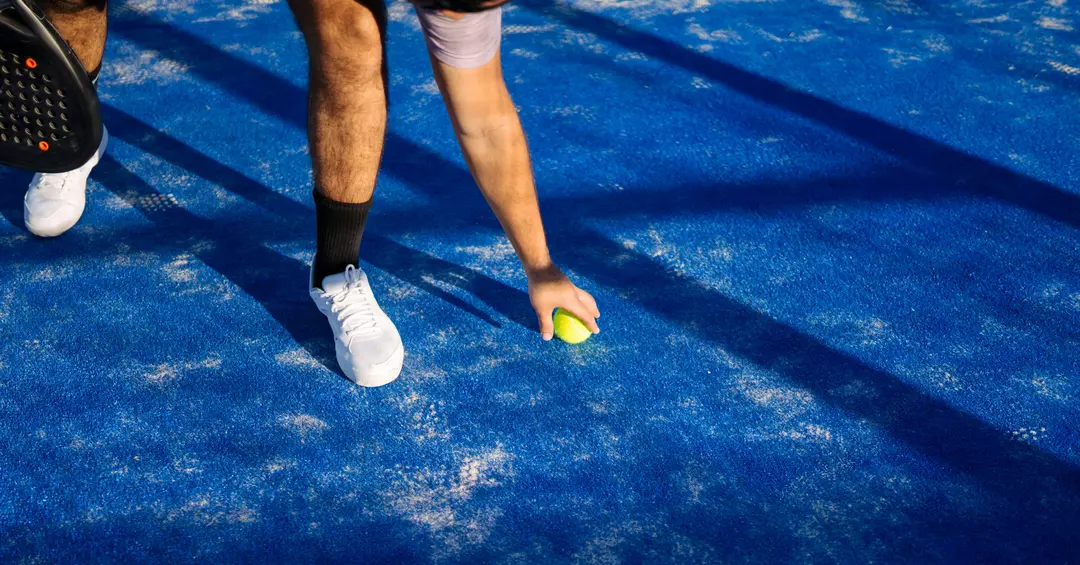
Discover how to choose the perfect padel shoes for your game. Learn about grip, cushioning, fit, durability, and which sole works best on different courts. Improve performance and avoid injuries with the right footwear.
How to Choose the Best Padel Shoes
Buying the right padel shoes can make a big difference to your performance, comfort, and injury risk. Padel demands lots of quick lateral movements, abrupt stops, pivots, and sometimes jumps. A shoe that supports all that will help you play better and stay safe. Here are key points to consider:
1. Grip & Outsole Pattern
Padel courts, especially those with sandy turf, require soles with good traction. Herringbone (zig-zag) patterns are commonly recommended because they grip the sand and allow controlled sliding. Some shoes offer hybrid or omni soles depending on how much sand or how smooth the court is.
2. Flexibility and Support
You need flexibility in the forefoot and mid-sole so your foot can bend during quick direction changes. At the same time, lateral support (especially around the mid-foot and heel) is essential for preventing ankle strains. Shoes that are too stiff may restrict movement, whereas too loose ones may cause instability.
3. Fit, Size, Width
Fit is more than just shoe length. Width matters, too. A shoe that’s too narrow causes pressure points and blisters; too wide and your foot shifts inside the shoe, which compromises stability. Try them on, ideally with the socks you'll use. Some brands offer wider or narrow versions.
4. Cushioning & Comfort
Because of all the jumps, stops, and directional changes, impact absorption is important. Look for cushioning technologies (e.g. gel, EVA foam) especially around the heel and under the forefoot. Also consider breathability (mesh panels, airflow) to keep feet cool.
5. Court Surface Compatibility
Not all courts are the same. If you mostly play on sand-covered turf, you want deeper patterns, more grip. On smoother “less sandy” surfaces, a less aggressive sole may suffice and give more comfort. Some shoes are labeled for specific surfaces; check that.
6. Durability & When to Replace
Even the best padel shoes wear out. Signs you need new ones include loss of grip, the cushioning flattening out, visible wear on outsole or upper, or if you feel pain or discomfort during play. Generally, shoes might last somewhere between 60-100 playing hours depending on frequency, court type, and how much lateral stress you put them through.
7. Weight vs Stability Trade-off
Lighter shoes help with speed and agility, but sometimes lighter equals less structure. If you are heavier, or do a lot of side to side / vertical movement, make sure your shoe has stability features—reinforced sidewalls, heel counters, etc.
8. Break-in & Care
New shoes often need a break-in period. Starting with short sessions helps the materials mold to your feet. Also, after play, let them air dry, don’t store them in wet bags, clean off court sand, and avoid drying with direct heat to preserve materials.